
Corporate Event Photo Booth Checklist
Corporate events don’t need “more stuff.” They need moments that actually work.
The kind that feel intentional in the room, don’t create bottlenecks, and produce content your team can use—whether the goal is employee engagement, sponsor visibility, networking energy, or just giving people something fun to do between program blocks.
If you’ve ever watched a photo booth sit empty in a tucked-away corner (or watched a line grow into a safety issue), you already know: the booth isn’t the hard part. The planning is.
This corporate event photo booth checklist is built for Orlando event planners, conference teams, HR, marketing, association planners, and DMCs who want a booth experience that feels polished—without turning it into a production.
What this checklist solves (and why it’s different for corporate events)
Corporate events have a few unique realities:
-
Guests arrive in waves (registration, breakouts, receptions)
-
Time is structured (run of show matters)
-
Branding and sponsor guidelines exist (sometimes… lots of them)
-
Your audience varies (executives, attendees, clients, staff)
-
You can’t afford chaos in a high-visibility space
A corporate booth works best when it’s planned like a mini activation: placement, flow, timing, and a clean creative plan.
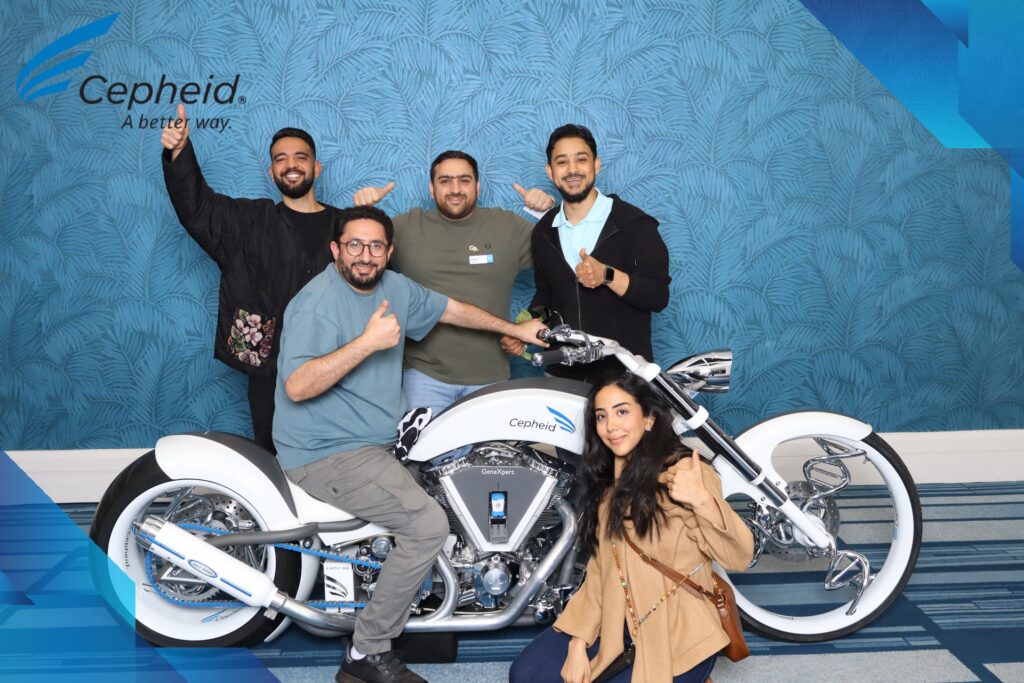
Corporate event photo booth checklist (planner-ready)
Save this section and reuse it. If you can check these off, you’re already ahead of most events.
1) Event goal + success metric (pick one primary)
Before you choose a booth style, decide what success looks like:
-
Engagement: people participate and come back
-
Brand exposure: clean overlays, sponsor visibility, shareable content
-
Networking energy: people gather and mingle nearby
-
Employee value: headshots + a fun moment for internal culture
-
Lead capture: opt-ins + usable attendee content (handled properly)
This matters because it influences placement, timing, and design.
2) Space + venue logistics (confirm early)
-
Footprint reserved (booth area + queue space)
-
Ceiling height confirmed if you’re using backdrops/lighting
-
Power location confirmed (and whether it’s dedicated)
-
Internet needs clarified (and backup plan if signal is weak)
-
Load-in path confirmed (doors/elevators/union rules if applicable)
-
Setup window confirmed (especially with room flips)
3) Placement + line flow (make it visible, not disruptive)
-
The booth is easy to spot from a main traffic path
-
The queue won’t block: registration, exits, bars, buffet, sponsor booths, escalators
-
There’s space for groups to step in/out without crowding the next group
-
Background is clean (not a service hallway, staging area, or clutter)
4) Run of show timing (open when people can actually use it)
-
Booth is open during: networking, receptions, breaks, post-program
-
Booth is not scheduled during: keynote, awards, plated lunches, major sessions
-
You’ve planned a soft open (5–10 minutes early) before the first rush
5) Branding + creative (keep it sharp and readable)
-
Overlay/branding is approved by marketing/sponsors
-
Logos are high-res and provided early
-
Design is simple enough to share (avoid clutter)
-
You’ve decided: digital-only vs prints vs both (based on goal)
6) Day-of roles (so it doesn’t become your problem)
-
Who is the point of contact on-site?
-
Who decides if you need to shift placement or timing?
-
Who manages the line if traffic spikes?
-
Who owns sponsor approvals if there’s a last-minute change?
This checklist prevents 90% of day-of booth chaos.
Choosing the right booth experience for a corporate crowd
Corporate doesn’t mean “boring.” It means the experience needs to match the room.
If your crowd is conference-heavy (badges, networking, sponsors)
Go for something fast, clean, and repeatable. Participation increases when the booth is obvious and the steps are simple.
If your crowd is internal (HR events, employee appreciation, holiday parties)
A booth that feels like a “moment” works well—especially if it’s placed near a social hub like the bar or lounge seating.
If your crowd includes executives or VIP guests
Keep it polished: clean backdrop, flattering light, minimal props, and a setup that feels intentional.
If you want a quick visual reference for different corporate-friendly booth styles (and what they look like in real event setups), this page is helpful to skim: https://stratabooth.com/corporate-photo-booths/ (it gives you a clear sense of the options without needing a deep dive).
Photo booth placement for corporate events (what actually works)
There’s no “perfect” location—but there are predictable winners.
Near registration (with a buffer)
Great for early participation and sponsor visibility. Just keep the booth far enough away that it doesn’t slow check-in.
Near the reception bar (but not in the bar line)
Excellent energy. People naturally gather there. Offset the booth so the queue doesn’t merge with the drink line.
Near sponsor activations (if the sponsor wants impressions)
Works well when the booth isn’t competing with another line or loud demo.
Near general session doors (for pre/post traffic)
A smart option if you can prevent congestion at the entrances.
Quick rule: if guests can’t see it quickly, they won’t “discover” it later. Visibility drives usage.
Photo booth setup requirements corporate planners forget to confirm
These are the things that get missed because they feel “too detailed” until they’re suddenly urgent.
Power and cables
Ask where power is located and whether cords will cross a walkway. If they will, plan for proper coverage (and venue rules).
Lighting conflicts
Uplighting can wash out backdrops. LED walls can flicker in camera. Windows behind guests can blow out your background. Small placement changes fix big visual problems.
Queue control
Even a great booth gets complaints if the line becomes a hallway blocker. Decide where the queue goes before it exists.
Common mistakes that make corporate booths feel unprofessional
These are the patterns that make a booth look “last-minute,” even if it wasn’t.
Mistake 1: Hiding the booth to keep the room clean
A hidden booth is often an unused booth. There’s a middle ground: visible, but placed thoughtfully.
Mistake 2: Over-branding the overlay
If the overlay looks like an ad, guests won’t share it. Keep it readable and simple.
Mistake 3: Running the booth during program moments
No one leaves a keynote to take a booth photo. Then you get a rush at the worst possible time.
Mistake 4: No plan for line spikes
Corporate events often move in waves. Break ends → line appears. Plan for that.
Mistake 5: Treating headshots like “just another station”
Headshots have different flow and expectations than a booth. If you’re doing both, plan them separately.
Adding on-site headshots: when it makes sense (and how to plan it)
If your event includes employees, leadership, sales teams, or association members, headshots can be a high-value add—not because they’re trendy, but because they’re useful.
Headshots work especially well when:
-
You have a defined attendee group (employees, members, leadership)
-
You can schedule in blocks (breaks, expo hours, dedicated windows)
-
You want a tangible benefit people actually appreciate
Headshot planning basics
-
Set expectations: what to wear, how it works, approximate time per person
-
Choose a location with consistent lighting and minimal background clutter
-
Plan traffic flow so the line doesn’t collide with your booth line
If you want a reference for how an on-site headshot station typically works (and what planners usually need to coordinate), this page is a solid overview: https://stratabooth.com/headshot-booth/ (it’s useful for planning the flow and setting attendee expectations).
Questions to ask a photo booth vendor (corporate edition)
You don’t need to interrogate anyone. You just need the questions that protect your schedule, your space, and your brand.
Logistics
-
What footprint should we reserve including queue space?
-
Where should power be located, and is dedicated power preferred?
-
How early do you need access for setup and testing?
Guest flow
-
Is it attended? If not, what’s the plan for guest help and line flow?
-
What’s the average session time per group?
-
What’s your plan if a line builds during a break?
Branding + approvals
-
What do you need from us (logos, fonts, sponsor lockups), and by when?
-
How do you handle last-minute sponsor changes?
-
Can the overlay be kept clean and readable?
Deliverables
-
How do guests receive images (QR/text/email), and what’s the backup if signal is weak?
-
When do we receive the full gallery and in what format?
-
Can you provide a small set of “highlight selects” quickly if marketing needs them?
When a vendor can answer these calmly and clearly, you’re usually in good hands.
Key Takeaways
-
A corporate booth succeeds when it’s planned like a mini activation: visibility, flow, timing, and clean branding.
-
Reserve space for the booth and the queue—most issues come from congestion.
-
Open the booth during breaks and networking, not during program blocks.
-
Keep overlays readable and minimal so guests will actually share.
-
If you add headshots, plan them as a separate flow with clear attendee expectations
THE BLOG
Get the inside scoop on new experiences and exclusive deals on your event, wedding or corporate event!
It's like being first in line!
Thank you!
You're on your way to some AMAZING event exclusives!
ps...we'll never spam you!

